Once the vote has concluded, and if the Code is approved by a 75% majority of the voting organisations, it will be published on the EFCSN website in mid-September.
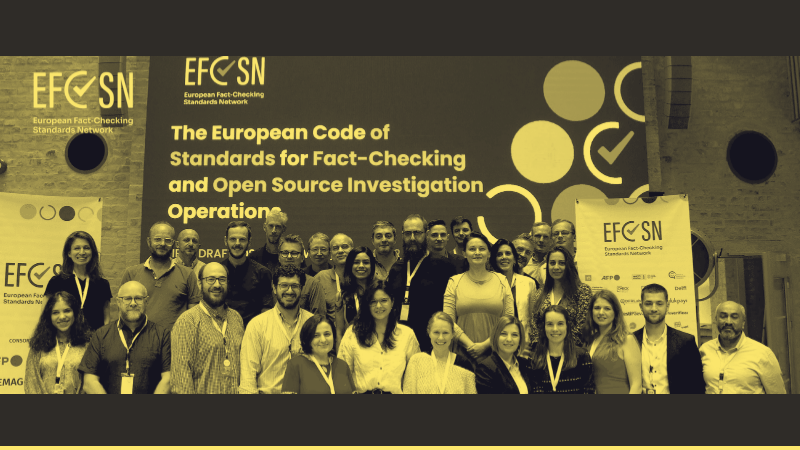
The first draft of the text currently being voted on was drawn up in Oslo (Norway) last June by the fact-checking organisations that are part of the Working Committee, together with the six organisations that make up the EFCSN Consortium, which is led by Maldita.es.
— European Fact-Checking Standards Network (@eurofactcheck) June 20, 2022
Following that first draft, more than 40 organisations proposed and debated amendments throughout the month of July until a consensus was reached on the ethical, methodological and transparency commitments that a fact-checking organisation must follow in order to be recognised as independent in Europe.
What are the next steps for the EFCSN?
The EFCSN is a project that emerged from the European Commission’s Call of Integrity of Social Media and is led by six European organisations focused on the fight against disinformation: Fundación Maldita.es (Spain), AFP (France), CORRECTIV (Germany), DEMAGOG (Poland), Pagella Politica/Facta (Italy) and EU DisinfoLab (Belgium).
Once the Code has been published, all the organisations that are part of the EFCSN will meet in Madrid at the end of September to debate and decide what the statutes of the network bringing together all the European fact-checkers that sign and adhere to the text will look like, as well as its governance.